Oil & Gas Fluid Handling
Wellhead and pipeline chemical injection, fire-safe and cavity-free isolation valves, hazardous-location actuation, chemical injection tanks, and upstream flow measurement — seven real manufacturers who name oil and gas service directly in their own product literature.
Real Oil & Gas-Named Manufacturers & Product Lines
Seven independent vendors, ranked here by breadth of documented oil-and-gas-specific product lines — from purpose-built wellhead chemical injection to fire-safe isolation valves and hazardous-location actuation.


Oil & Gas Equipment FAQs
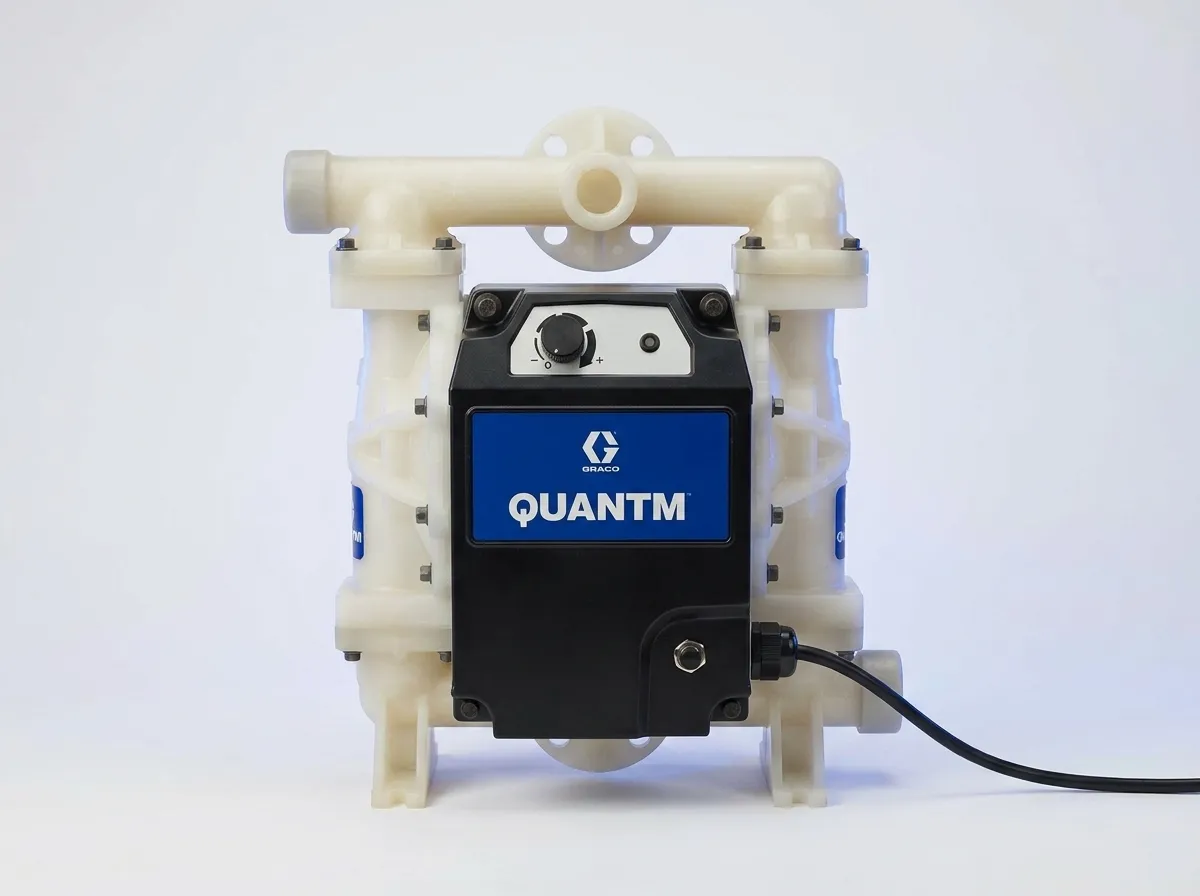
What chemical injection pump does Graco recommend for oil and gas wellheads?
It depends on the site and hazard classification. G-JR is Graco's "best value entry-level pump," AC/DC electric, shipping standard with the Harrier EZ-JR temperature-based controller. Python is built for hazardous locations, running on regulated natural gas or compressed air with CE and ATEX approval. For sites dosing at multiple injection points, Harrier+ MPI and KRAKN MPI consolidate up to 8 points behind a single pump and controller to cut well-pad footprint and site visits.
Why does an oilfield installation often specify electric actuation over pneumatic?
Per Asahi/America's own actuator engineering reference, remote wellsites typically have no compressed-air supply, and running a pneumatic compressor off solar power at a remote site can require roughly 100x the wattage a comparable 12vdc electric actuator needs (about 2,400 watts vs. about 24 watts). Cold-climate freeze risk in pneumatic air lines is the second real factor — electric actuation avoids both, which is why oilfield installations are named directly as a case for electric actuation in Asahi's own literature.
What chemistries are Snyder's Chemical Injection Tanks built to hold for pipeline integrity programs?
Snyder names hydrate inhibitors, corrosion inhibitors/scavengers, surfactants, foamers, paraffin inhibitors, defoamers/antifoams, scale control chemicals, and water clarifiers — real, specific pipeline-integrity program chemistries, in HDLPE/XLPE or stainless steel tank systems with a 110% containment basin.
What makes a valve "cavity-free," and why does it matter for oil and gas service?
Crane CPE's XOMOX Tufline sleeved plug valve line is cavity-free by design — there are no dead pockets in the flow path where process media can collect, crystallize, or react. For oil/gas production, transmission, and compressor-station service carrying abrasive or crystallizing media, that is a structural answer rather than a materials-only fix, and it is the same design logic named directly for oil/gas, transmission, and compressor-station applications in Crane's own literature.
Specifying wellhead, pipeline, or midstream equipment?
Send LibertyCES your injection chemistry, flow rate, pressure class, and hazardous-location classification — we'll confirm the right manufacturer and configuration before you spec a model.
Ready to buy or need a fast answer? Call, text, or email James directly — (559) 395-5500 · [email protected].