Case Study — City Water Treatment
From Shutdowns to Sleepless Nights — to 365 Days of Flow.
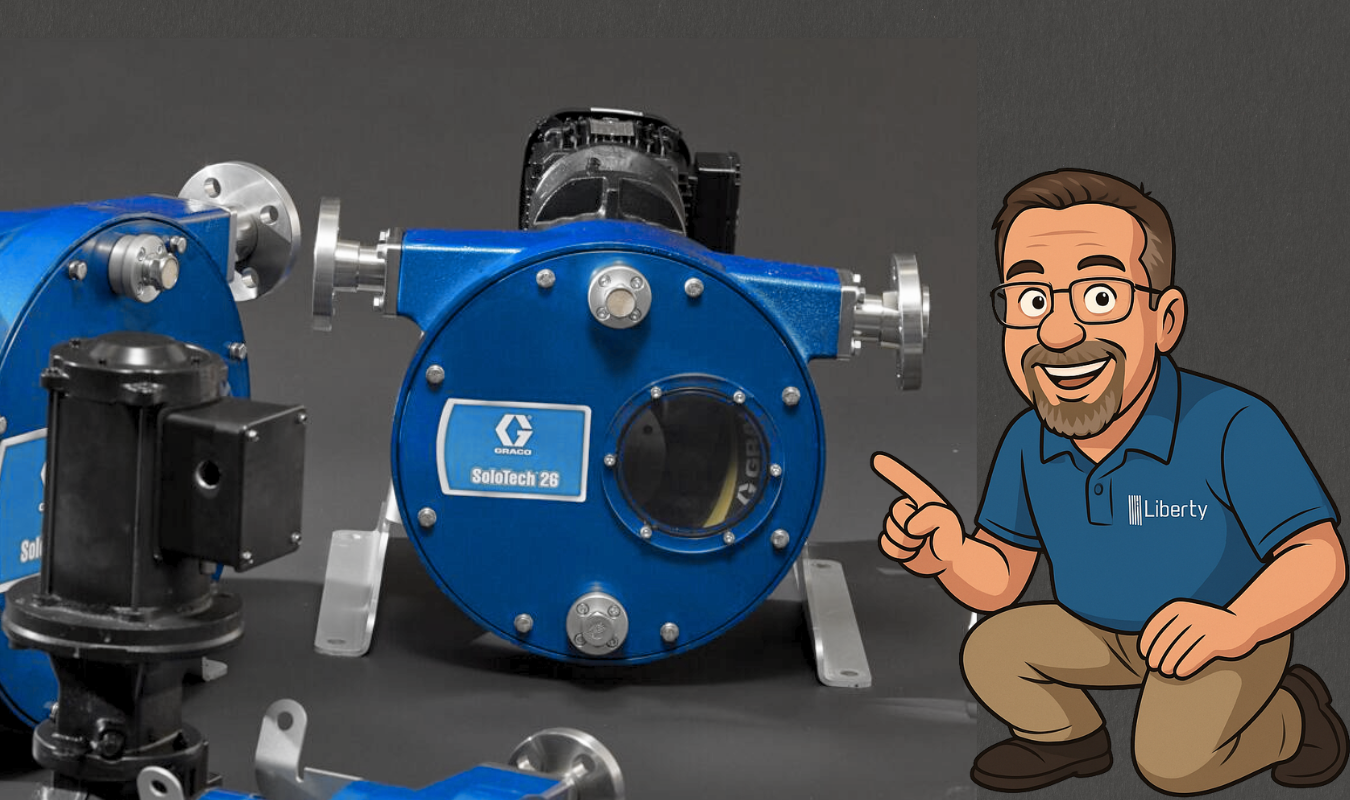
How Liberty Chemical Equipment & Supply helped a California municipal water treatment facility solve recurring calcium hydroxide slurry pump failures with a Graco SoloTech™ peristaltic hose pump.
Plain-English Summary
This case study explains how LibertyCES solved recurring calcium hydroxide slurry pump failures.
This case study explains how Liberty Chemical Equipment & Supply helped a California municipal water treatment facility solve recurring calcium hydroxide slurry pump failures using a Graco SoloTech peristaltic hose pump. The previous system experienced repeated clog shutdowns when Ca(OH)2 hardened during pauses in flow. After the SoloTech installation and operating protocol were implemented, the plant reduced clog-related shutdowns from approximately 10 per year to zero.
Quantified Benefits
What changed after the Graco SoloTech pump was specified.
Recurring shutdowns tied to hardened calcium hydroxide slurry were eliminated in this documented operating window.
Reversible operation and a simplified fluid path reduced the need for emergency line openings and manual clearing.
Based on 10 avoided incidents, 3–5 hours per event, and two technicians per response.
Conservative estimate based on $1,000/hour across 30–50 hours of avoided annual downtime.
What Problem Did This Solve?
The Graco SoloTech pump solved a hard-setting calcium hydroxide slurry failure.
The facility was feeding calcium hydroxide for pH control. When flow stopped, the slurry hardened inside the pump, hose, and valves. This caused repeated clog-related shutdowns, emergency cleaning, hose replacement, and maintenance overtime.
In plain field terms: the chemical kept killing pumps. Every outage created a static window. Every static window gave the calcium hydroxide time to settle, crystallize, and lock the fluid path.
Problem → Diagnosis → Solution
The Frequency of Failure → The Flow of the Fix
A municipal plant’s calcium hydroxide kept hard-setting on every pause. James Riggins stepped into the gap and treated the problem as a chemistry-and-mechanics mismatch.

Before SoloTech: when flow stopped, concrete happened.
A municipal facility used calcium hydroxide, Ca(OH)2, for pH control. Its operating problem was simple and brutal: when the slurry stopped moving, it hardened like concrete.
- Outages and pauses allowed slurry to crystallize inside hoses and valves.
- Within hours, a chalky mass could lock the pump solid.
- Restarts required line openings, hose cuts, flushing, parts, and overtime.
- Multiple pump brands and pump types failed within months.
James reframed the failure as a system problem.
Everyone was treating the job like a toughness problem: make the pump stronger, swap the brand, replace the hose again. James saw a chemistry and mechanics mismatch. Calcium hydroxide does not just clog; static slurry becomes solid.
Dead zones, valves, and friction points created stagnant pockets where Ca(OH)2 could settle and harden.
Keep it moving. One path, one hose, one compression point, reversible flow, and a clearable line.

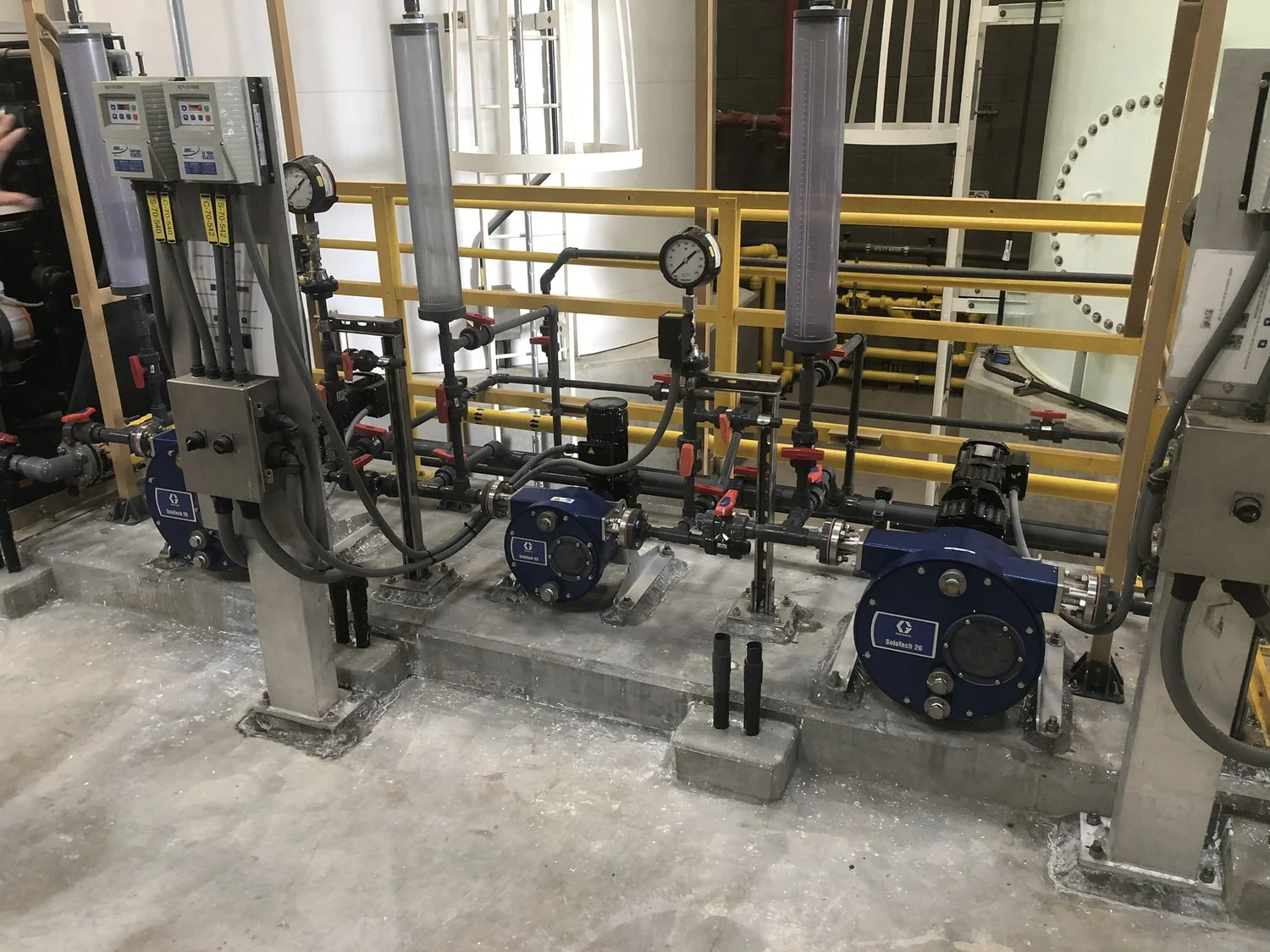
SoloTech™: single-roller hose pump architecture for a hard-setting slurry.
- Single-roller hose design reduced mechanical complexity in the fluid path.
- Thick-wall engineered hose was selected for abrasive, alkaline Ca(OH)2 service.
- Reversible operation gave operators a way to clear the line when flow stopped.
- Self-priming behavior supported more reliable restarts after pauses.
- No valves, seals, or glands sat in the fluid path where slurry could crystallize shut.
- Variable-speed control supported controlled feed and faster flush behavior.
“We just swap the hose maybe once a year now. No clogs. It just moves calcium like toothpaste.” — James R.
Why SoloTech Worked
Why did the Graco SoloTech work for calcium hydroxide slurry?
The SoloTech hose pump worked because it reduced mechanical complexity and kept the slurry moving through a simple, reversible flow path. Its single-roller design compresses the hose once per revolution, reducing heat and wear compared with multi-roller designs. Because the pump is reversible and has no valves, seals, or glands in the fluid path, operators could clear the line without disassembling the system.
For a crystallizing slurry like calcium hydroxide, the winning design decision was not “more force.” It was fewer places for the chemical to sit, dry, crystallize, and turn into a maintenance event.
Equipment + Specification Notes
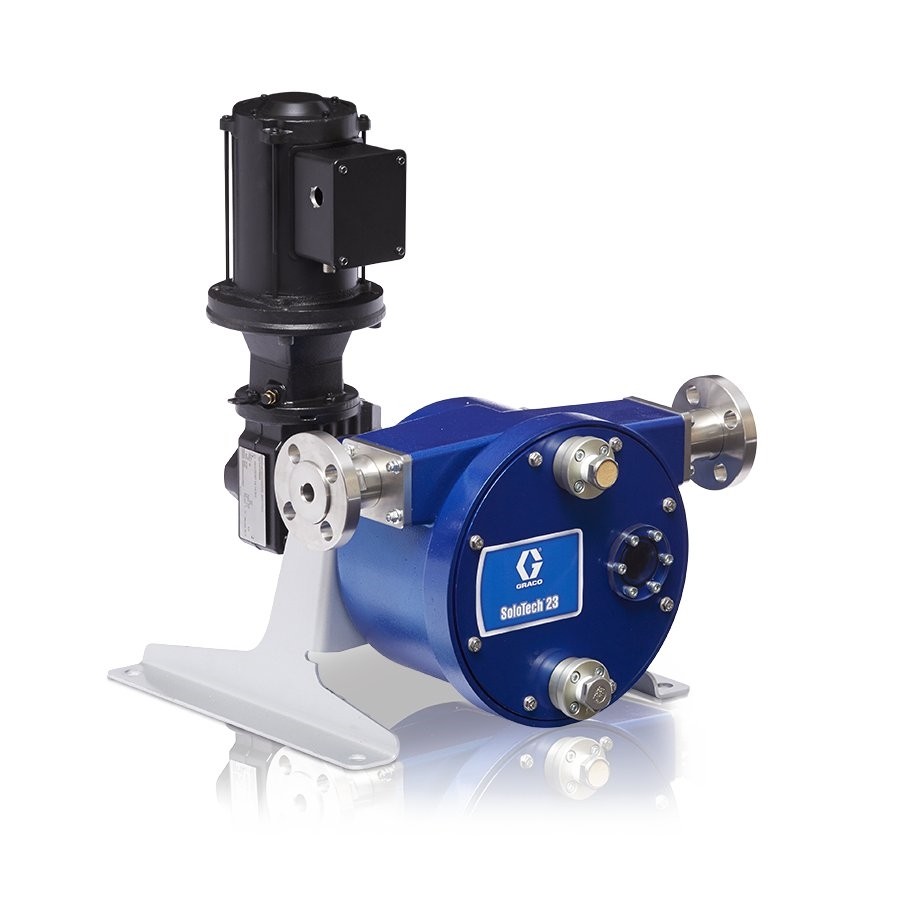
Product used: Graco SoloTech™ hose pump.
SoloTech model capabilities vary by configuration. The specification must be verified against the actual chemical, flow rate, discharge pressure, suction conditions, hose material, and duty cycle.
 View SoloTech on LibertyCES →
California + Western U.S. Support
California chemical feed pump support from LibertyCES.
Liberty Chemical Equipment & Supply supports municipal water treatment plants, industrial facilities, and chemical handling applications across California and the western United States. For Graco SoloTech pump selection, chemical compatibility, hose sizing, controls, and startup support, contact James Riggins and the LibertyCES team.
Expert guidance for chemical handling and water treatment systems
Phone: 559-395-5500
Email: james@libertyces.com
Frequently Asked Questions
Calcium hydroxide slurry pump questions.
What type of pump works for calcium hydroxide slurry?
A peristaltic hose pump is often a strong fit for calcium hydroxide slurry because the fluid stays inside the hose and does not pass through valves, seals, or glands that can clog or crystallize. In this case, LibertyCES used a Graco SoloTech hose pump to reduce clog-related shutdowns.
Why does calcium hydroxide clog chemical feed pumps?
Calcium hydroxide slurry can harden when it stops moving. During pauses, outages, or stagnant flow conditions, solids can settle and crystallize inside hoses, valves, and pump components. This can lock the pump and require manual cleaning or hose replacement.
How did the SoloTech pump reduce shutdowns?
The SoloTech pump used a single-roller hose design with reversible operation. This allowed the system to keep material moving and clear the line without opening the pump. The result was a reduction from about 10 clog-related shutdowns per year to zero.
Who should consider a SoloTech hose pump?
Facilities handling abrasive, viscous, caustic, or crystallizing fluids should consider a hose pump when conventional pumps are clogging, leaking, wearing quickly, or requiring frequent maintenance.
Engineering Line
Need a chemical feed pump that won’t clog, crystallize, or shut your plant down?
If your system involves abrasive slurry, calcium hydroxide, lime slurry, pH control, crystallizing fluids, or repeated chemical feed pump failures, James Riggins will verify the specification before you commit to equipment.